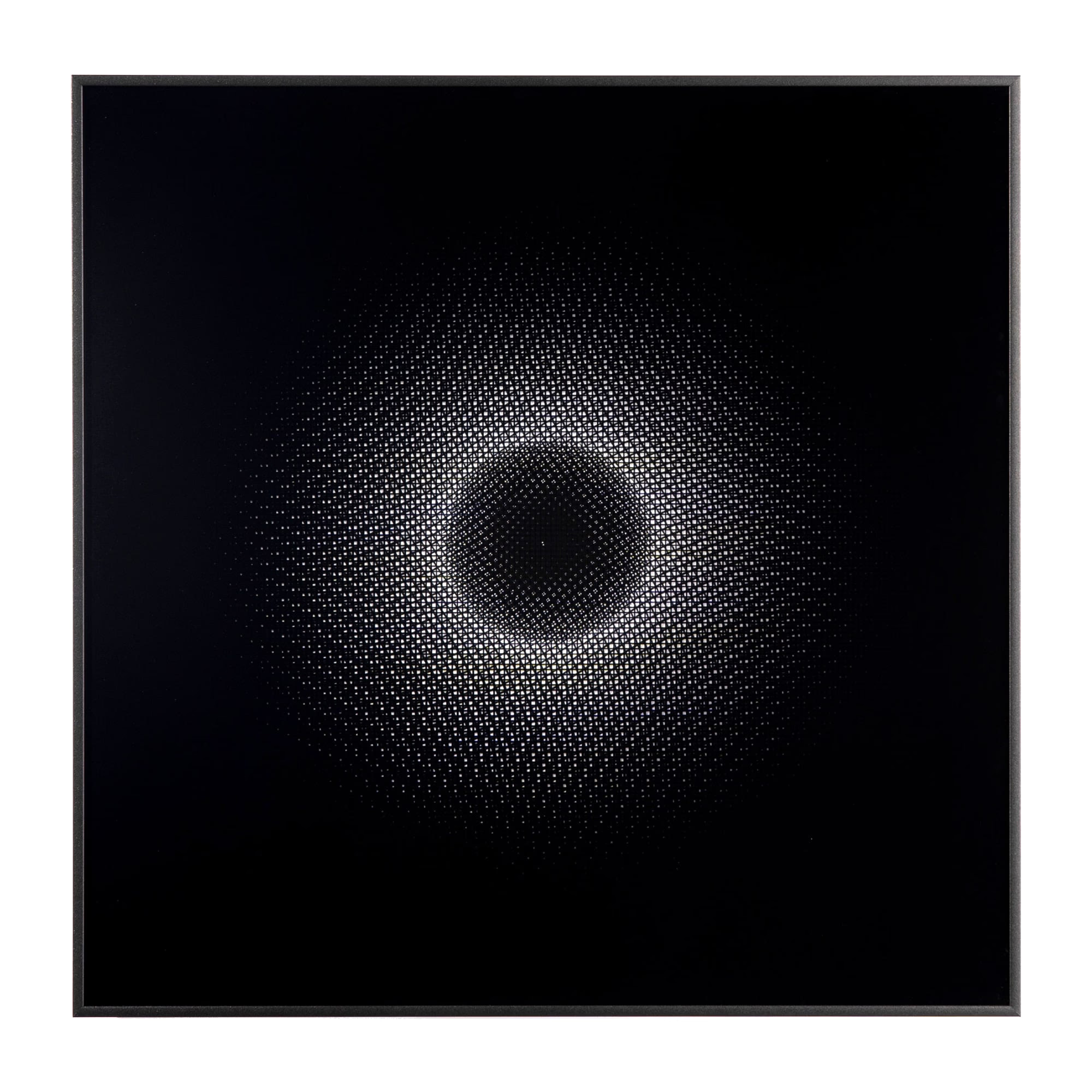
Aster 03
2025
Colección privada
Luz Aparente
Statement · Investigación en curso desde 2021
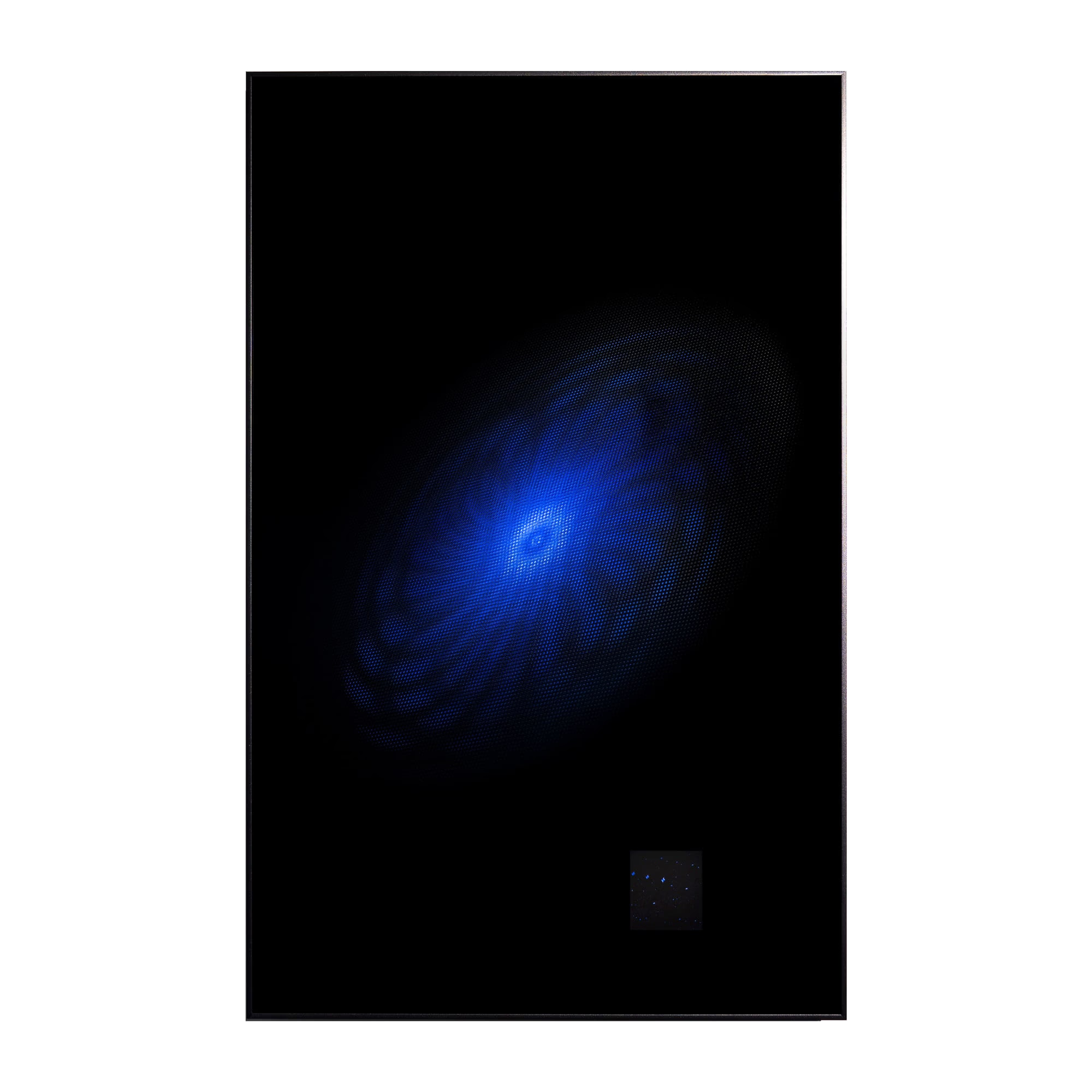
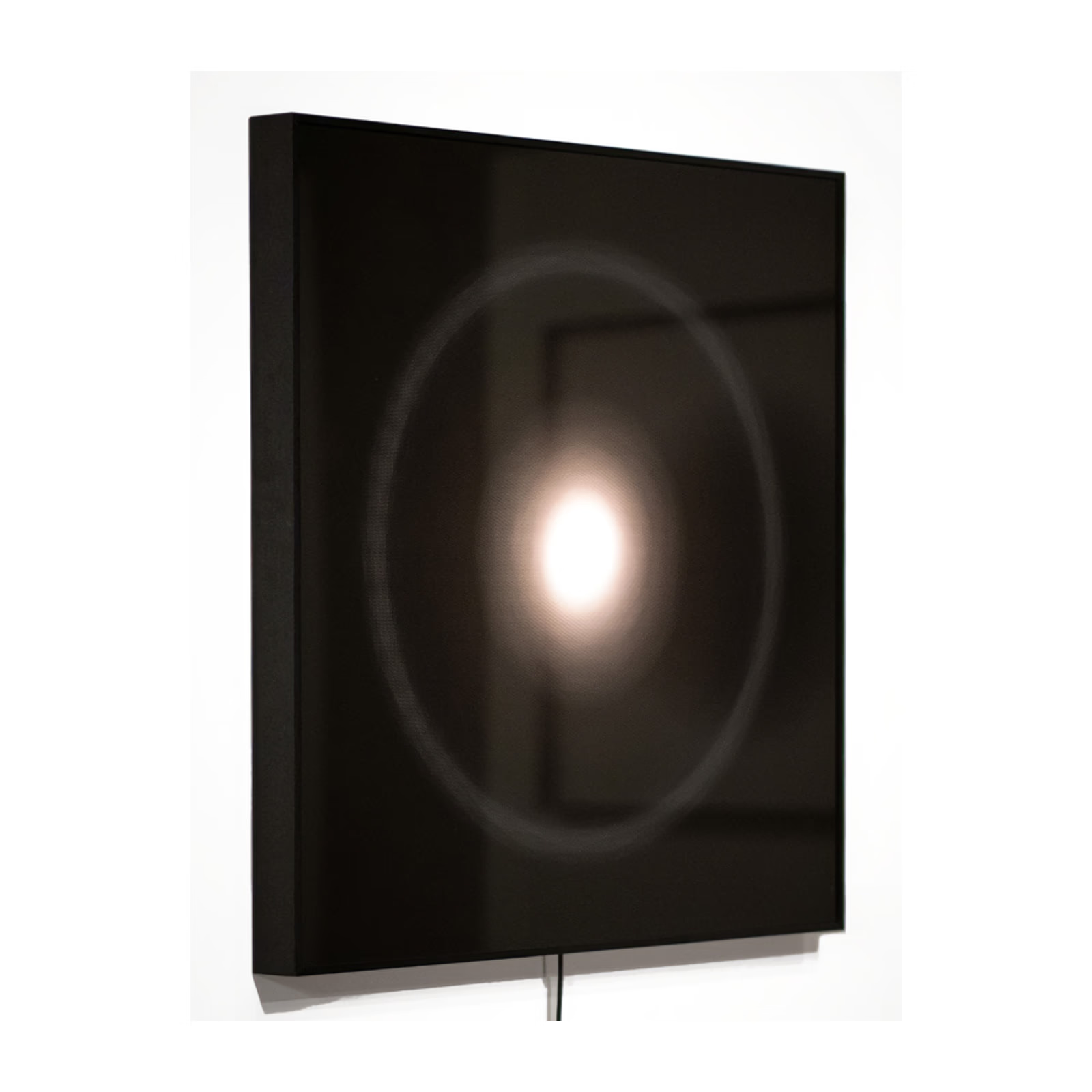
Todo parte de una diferencia: la luminancia es una magnitud medible; la luminosidad es lo que el ojo percibe. El ojo no mide la luz: la deduce del contraste, de la relación entre una zona y lo que tiene al lado. Llamo luz aparente a lo que ocurre en ese cálculo: una luminosidad que no se emite ni se proyecta. Simplemente aparece.
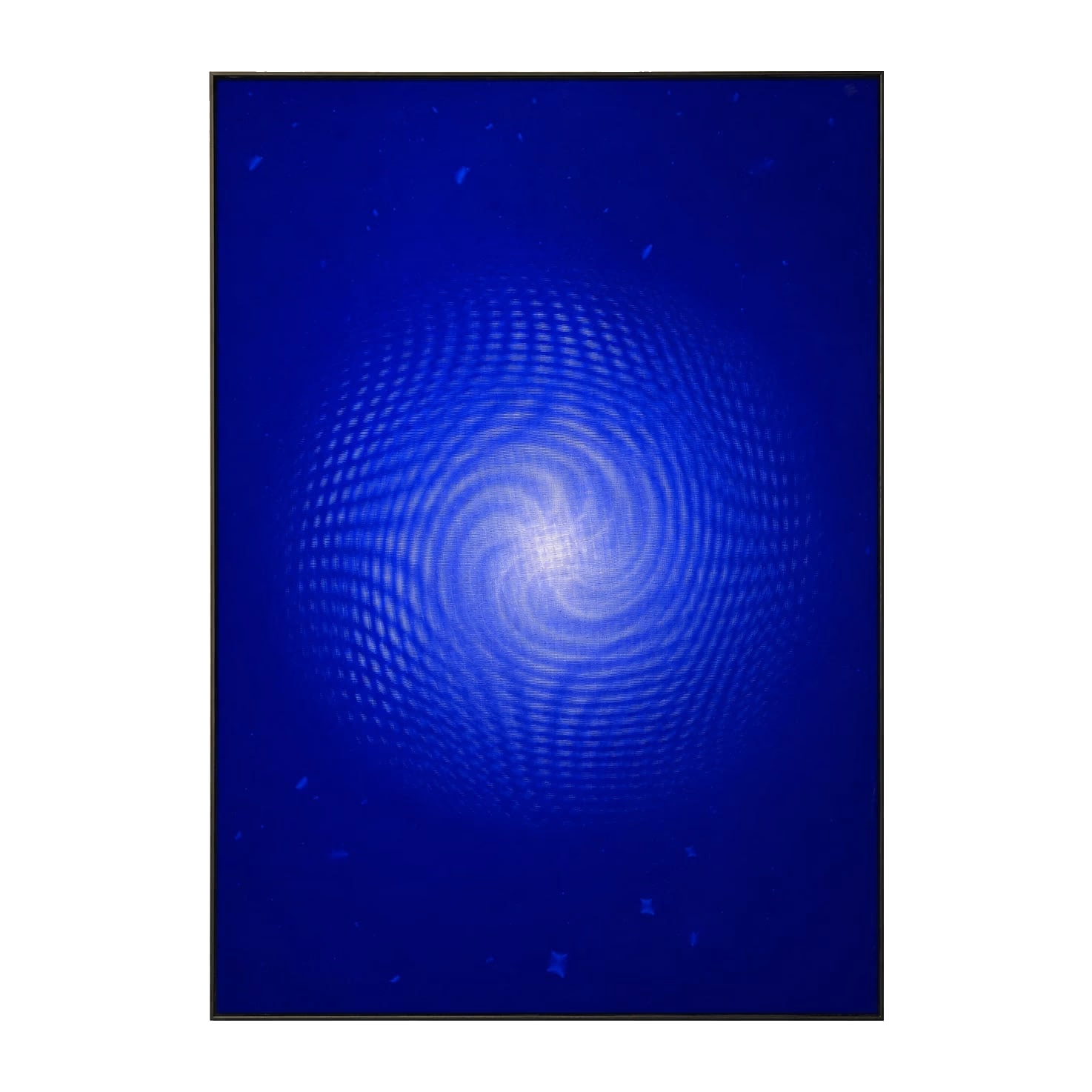
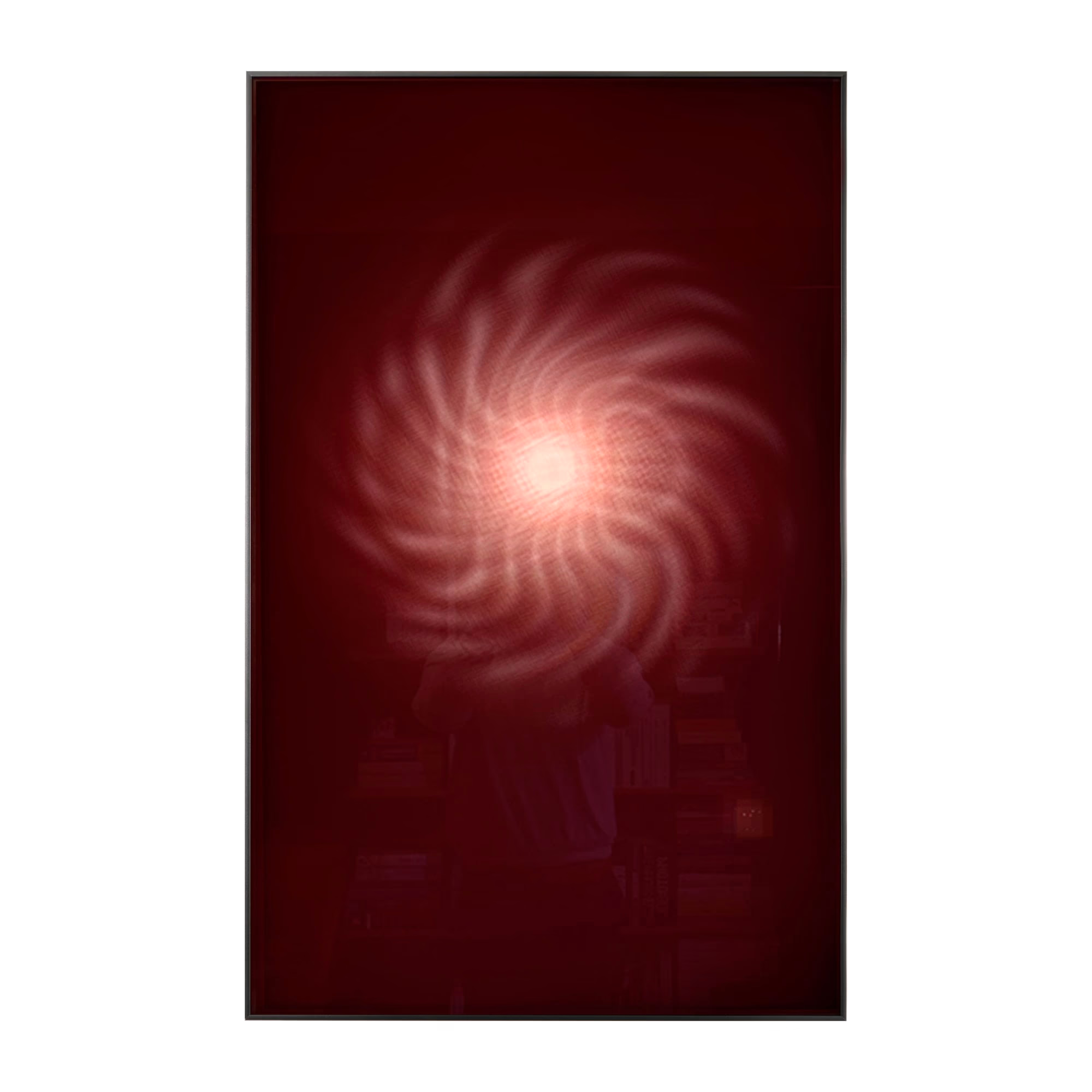
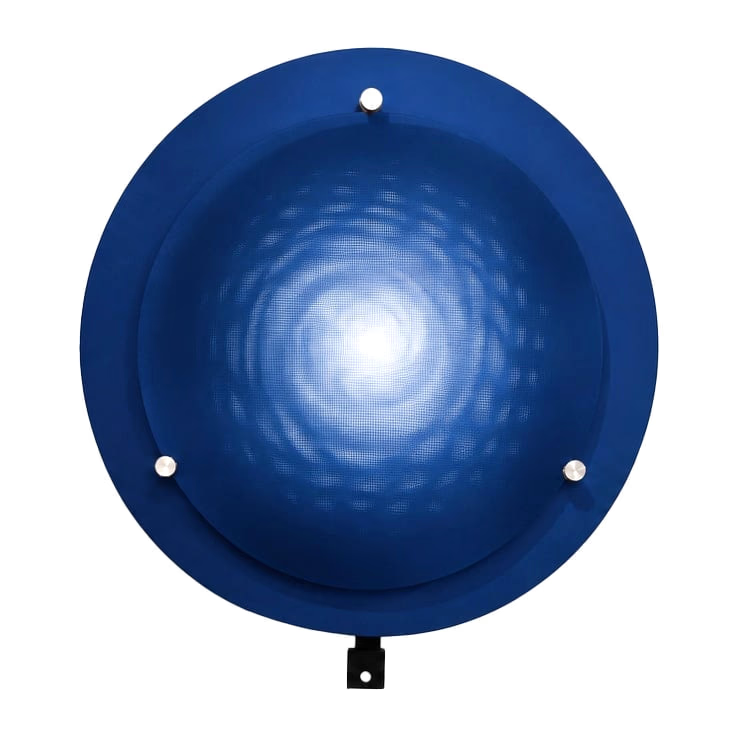
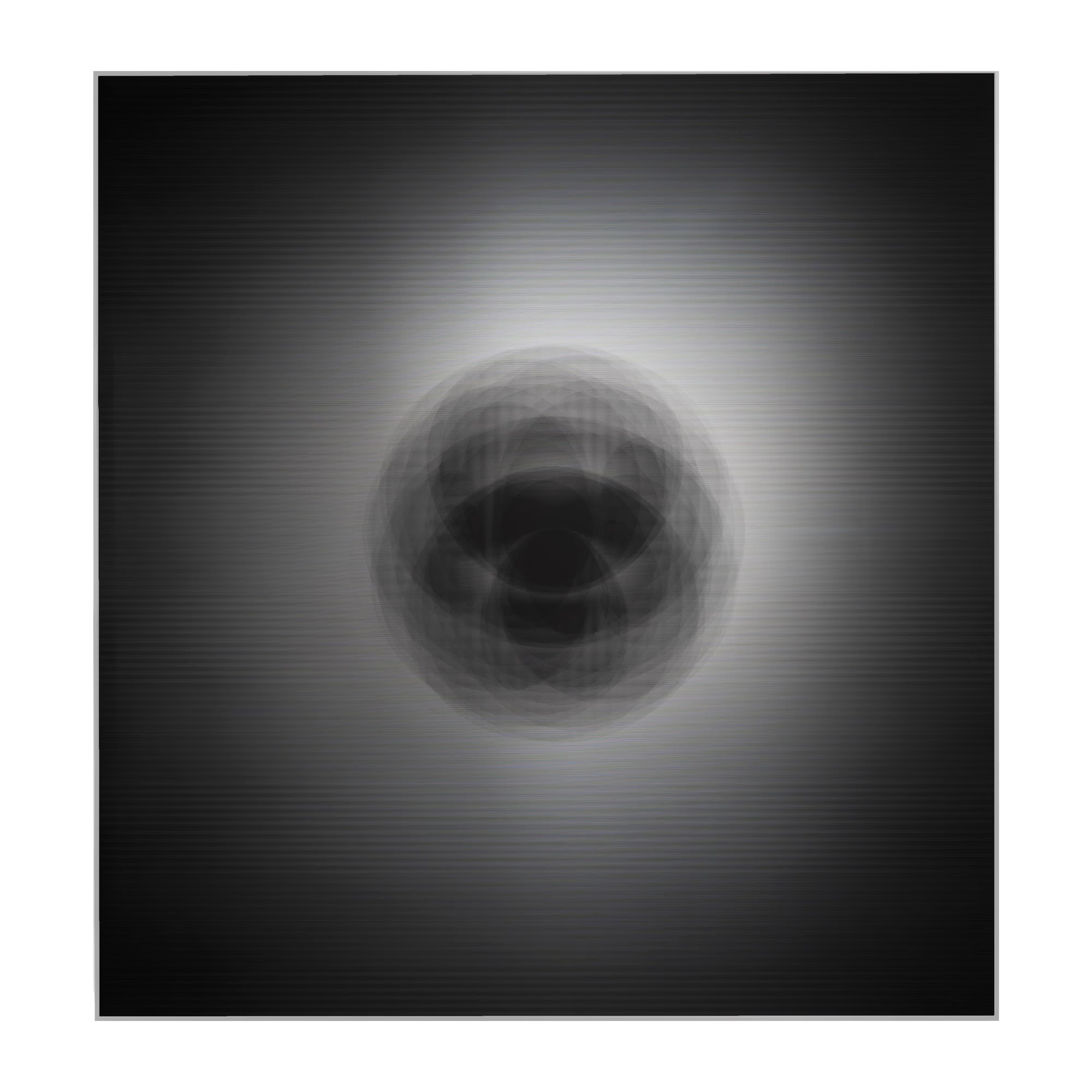
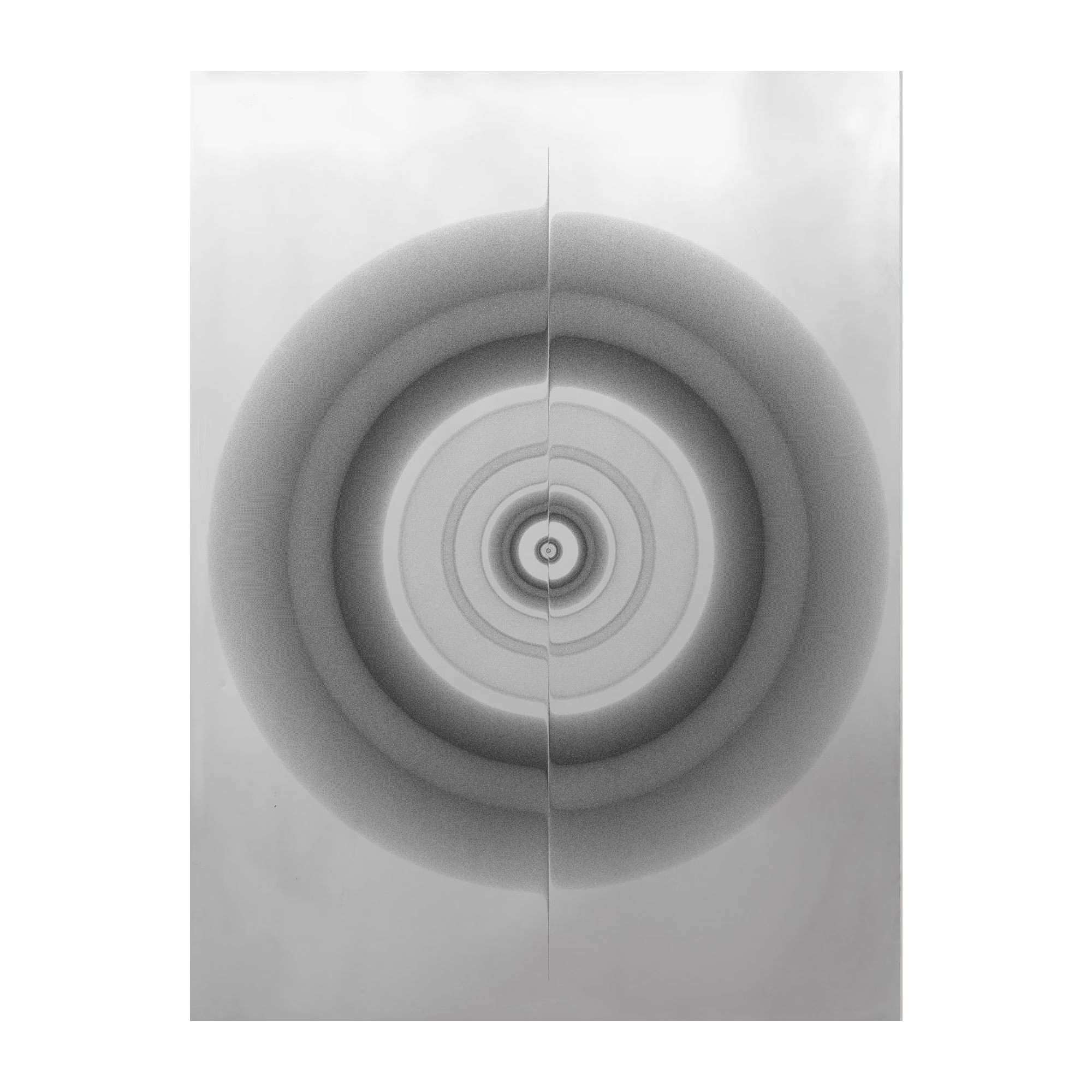
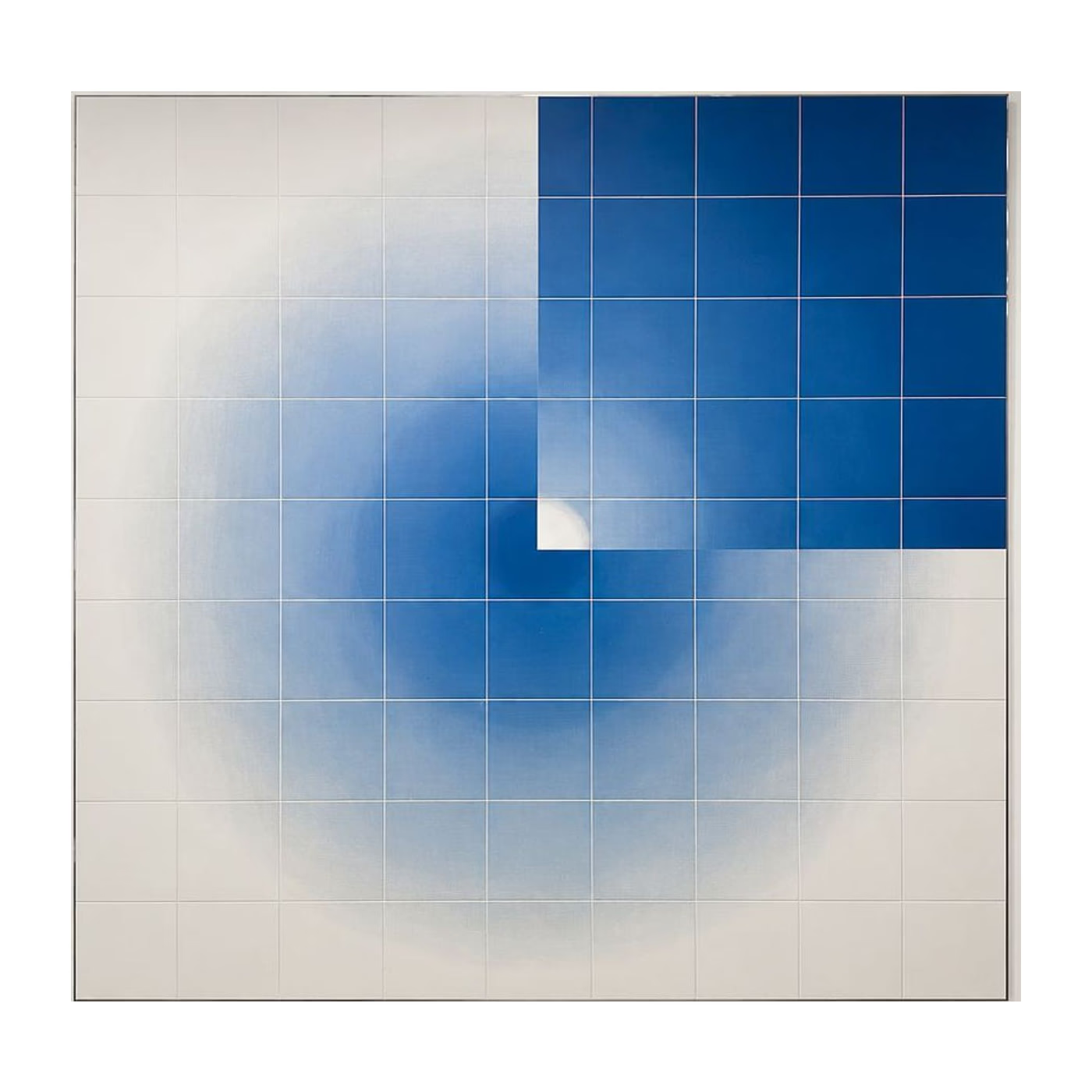
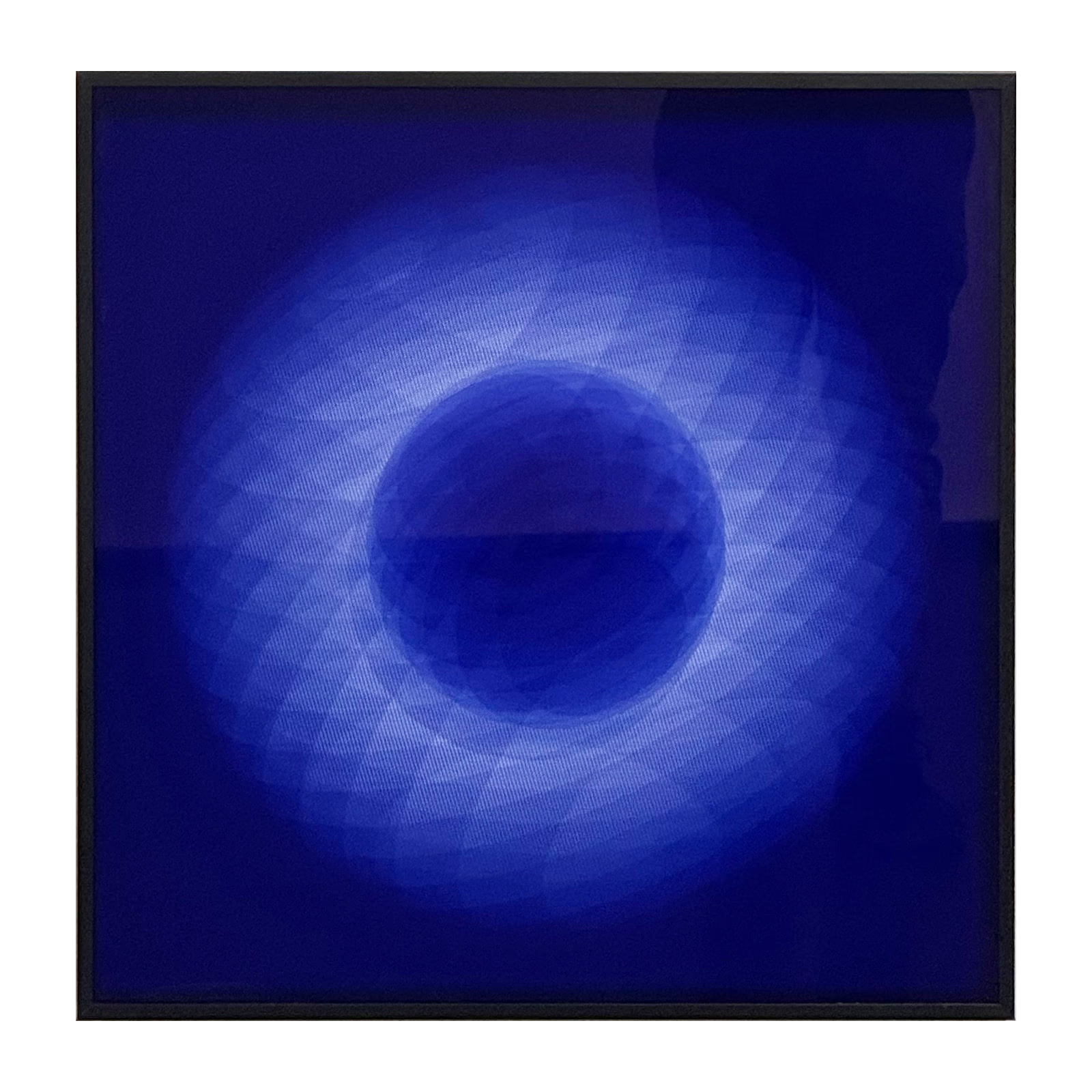
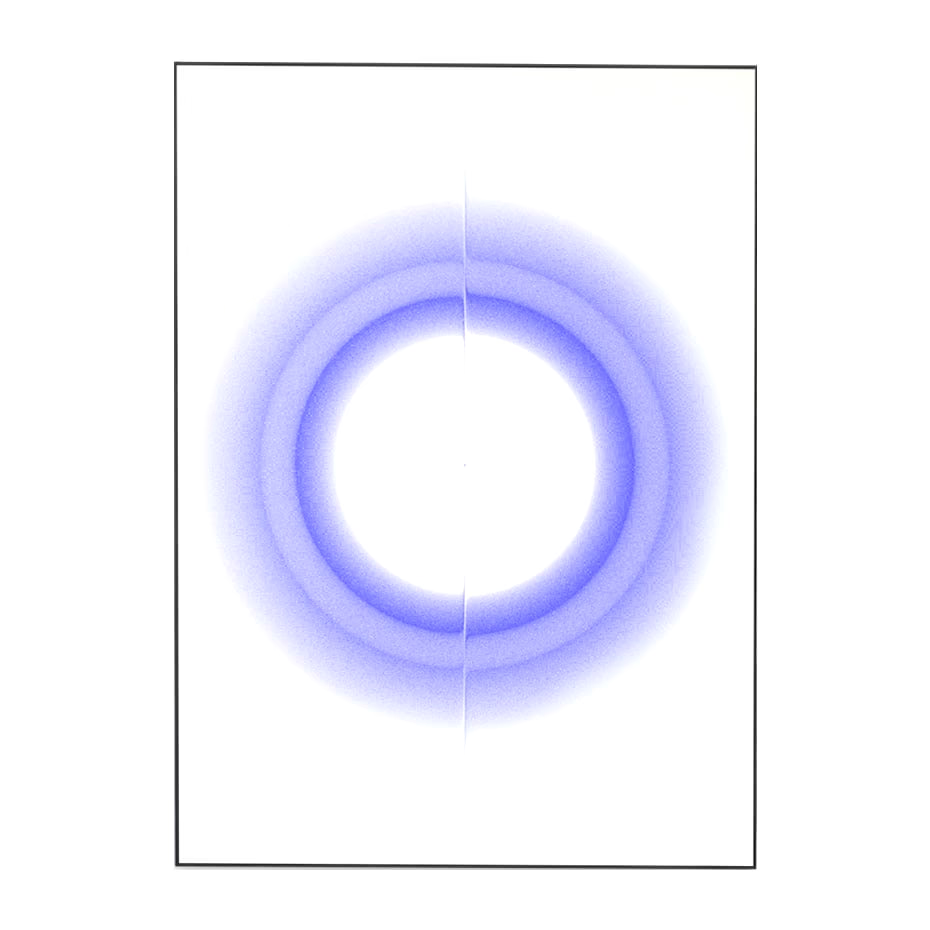
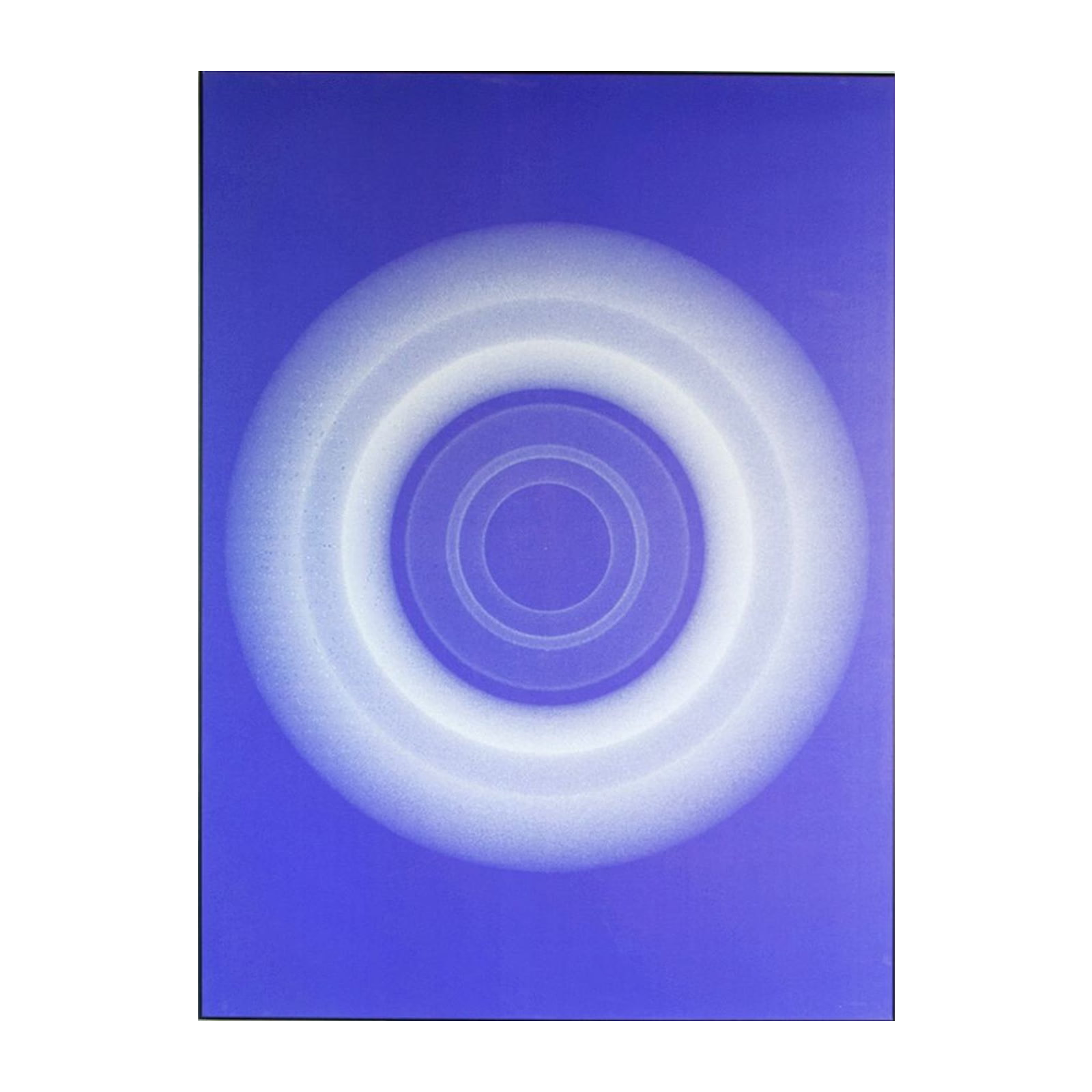
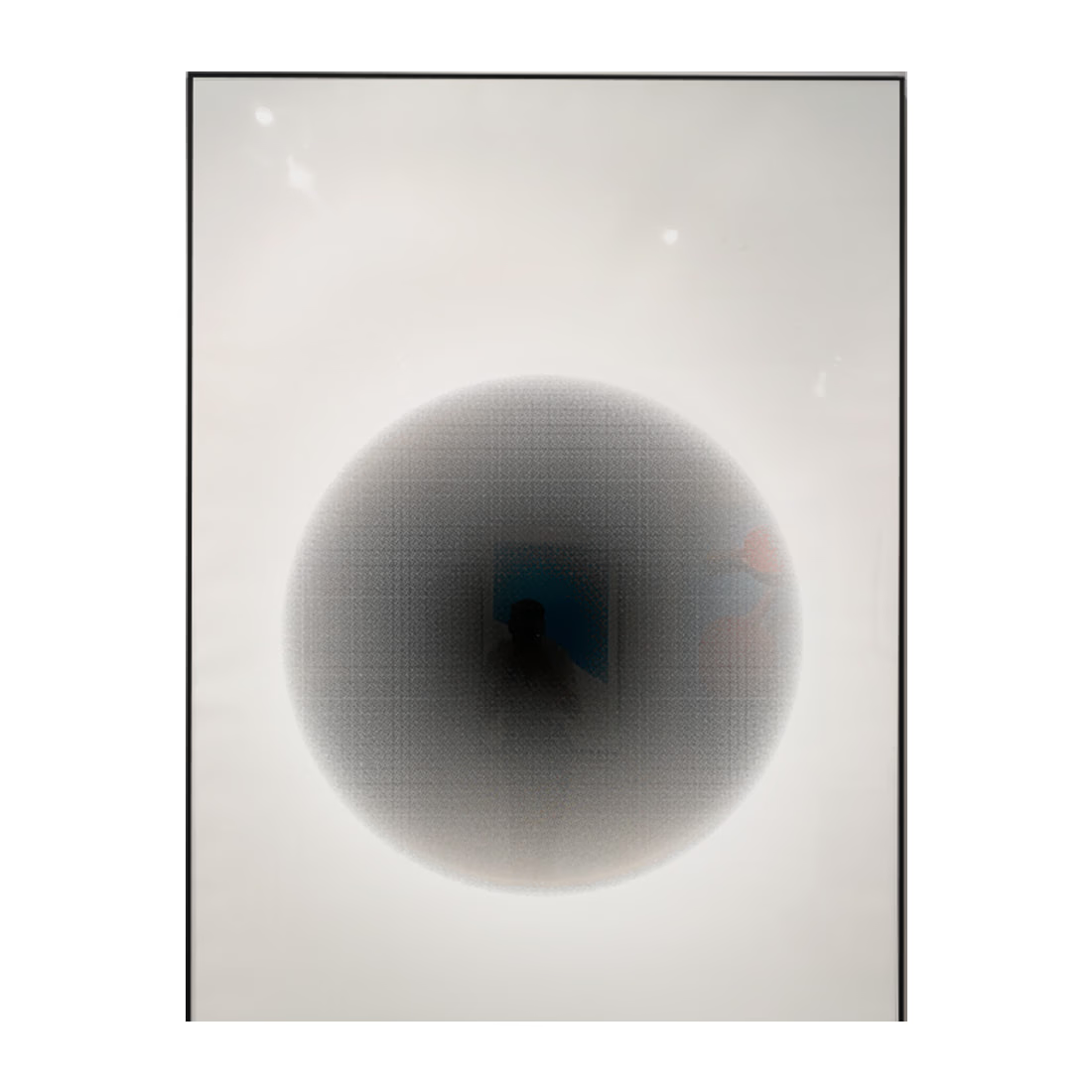
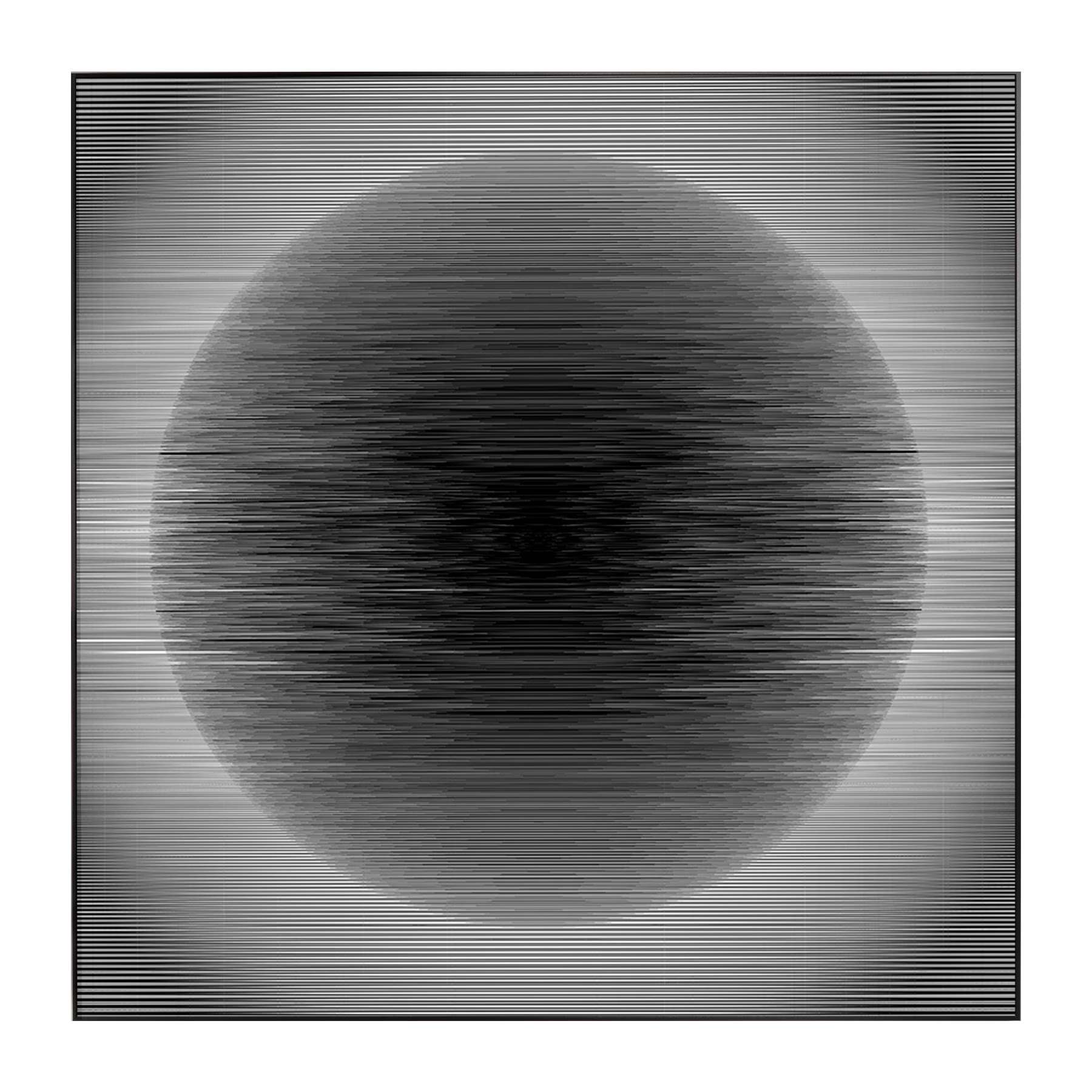
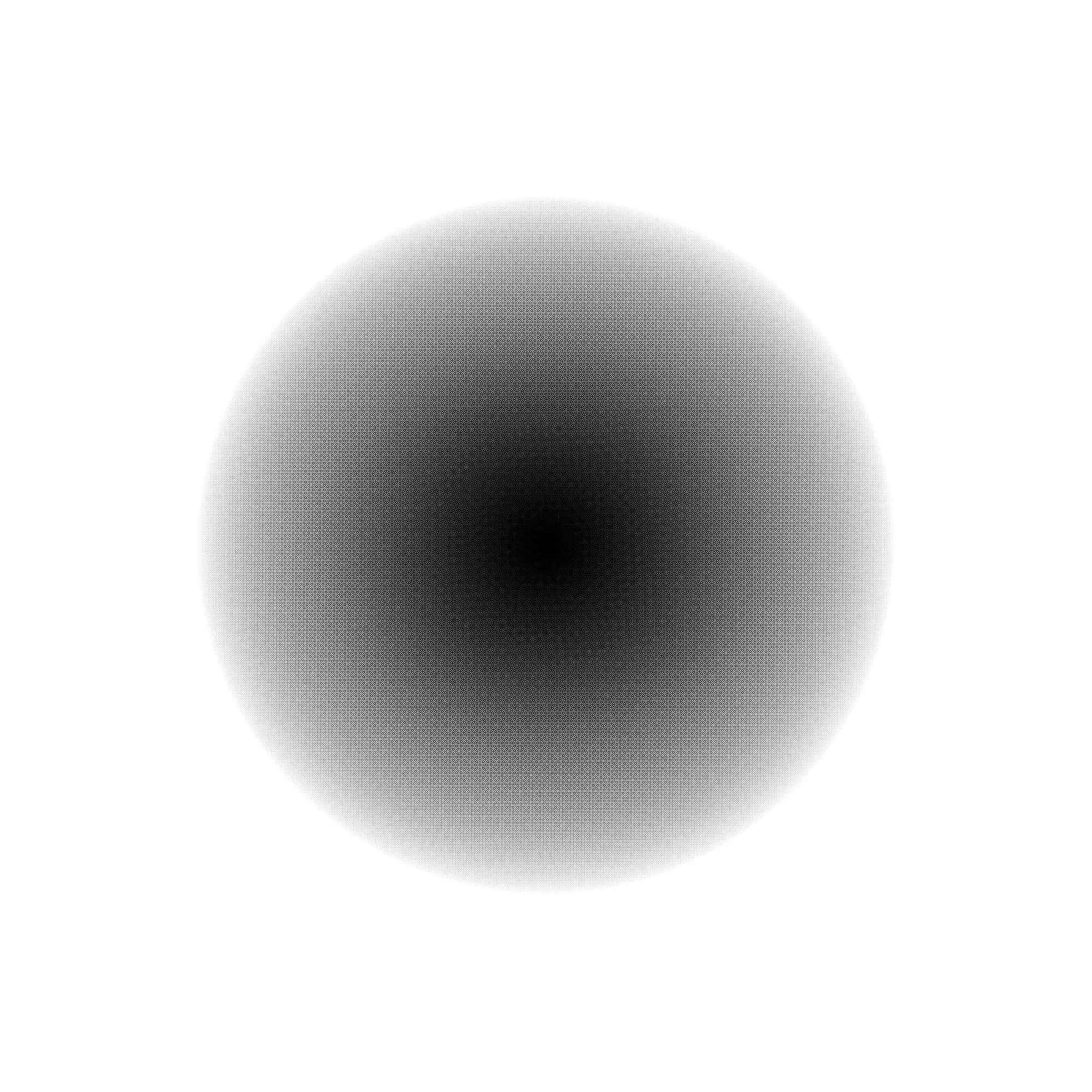
Cada obra es un sistema construido con las herramientas matemáticas de la arquitectura: miles de formas geométricas simples que interactúan entre sí. Una regla elemental se repite decenas de miles de veces hasta que el resultado excede al sistema que lo generó. El círculo es la constante de todos estos años: una forma capaz de sostener miles de variaciones mínimas sin perder su unidad. A distancia el conjunto parece estable; de cerca, el patrón se fragmenta en una vibración que no termina de fijarse y pasa de leerse como figuras a leerse como campo. Es la mezcla óptica: brillos que no están impresos en ninguna parte; los arma el ojo al integrar el conjunto. El cálculo paramétrico y la impresión contemporánea amplían la precisión, la escala y el número de variaciones posibles respecto del cinetismo histórico; el problema perceptivo, en cambio, es el mismo.
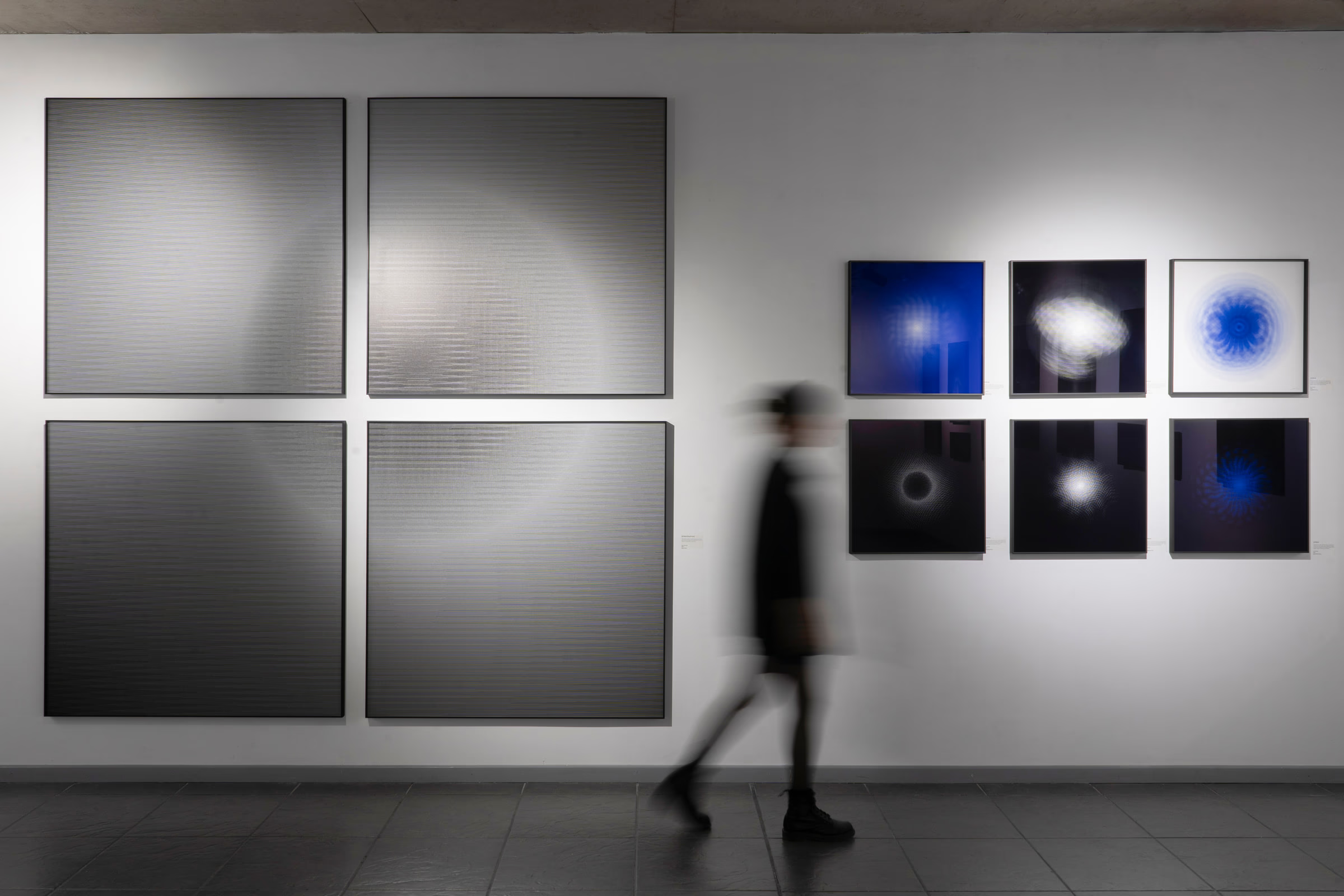
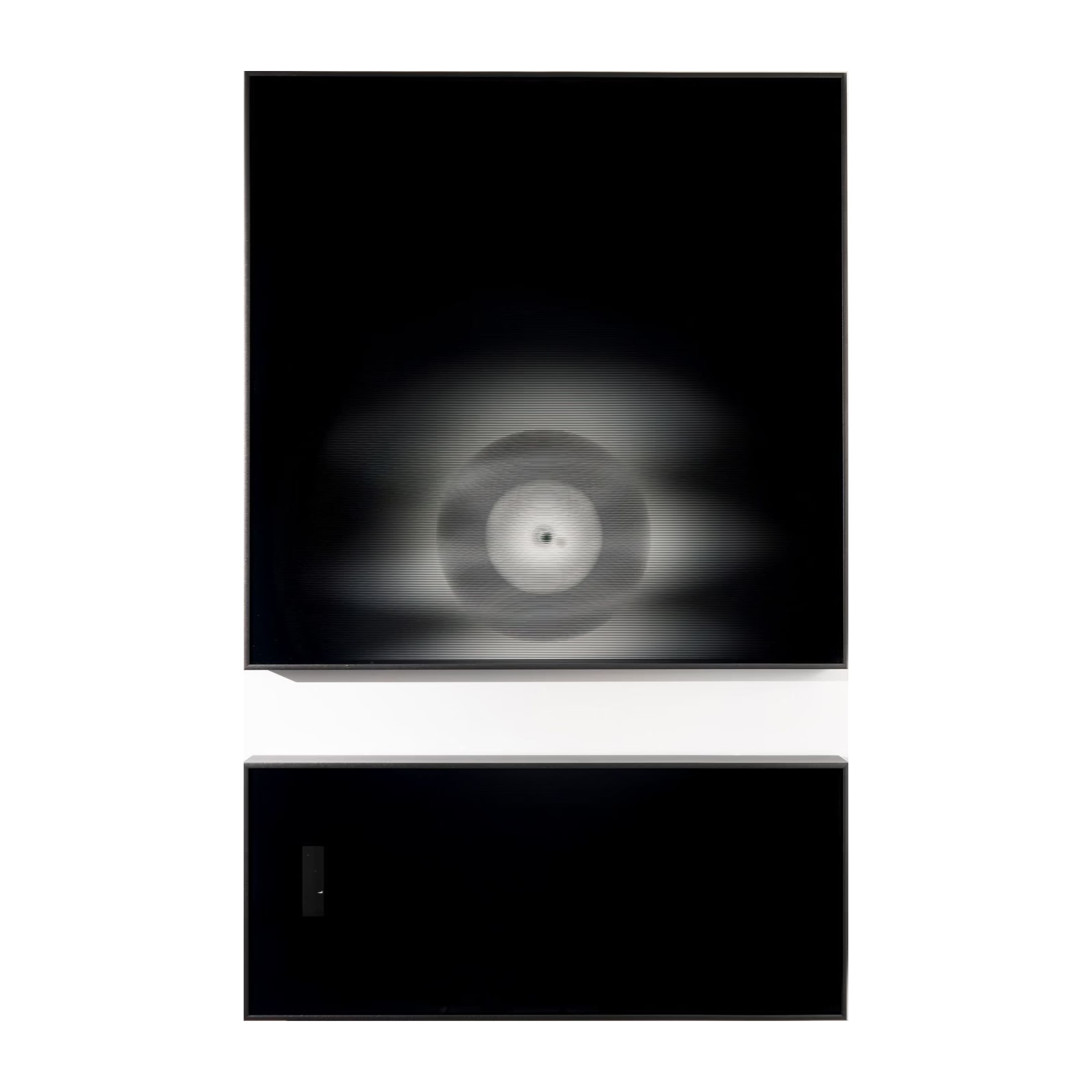
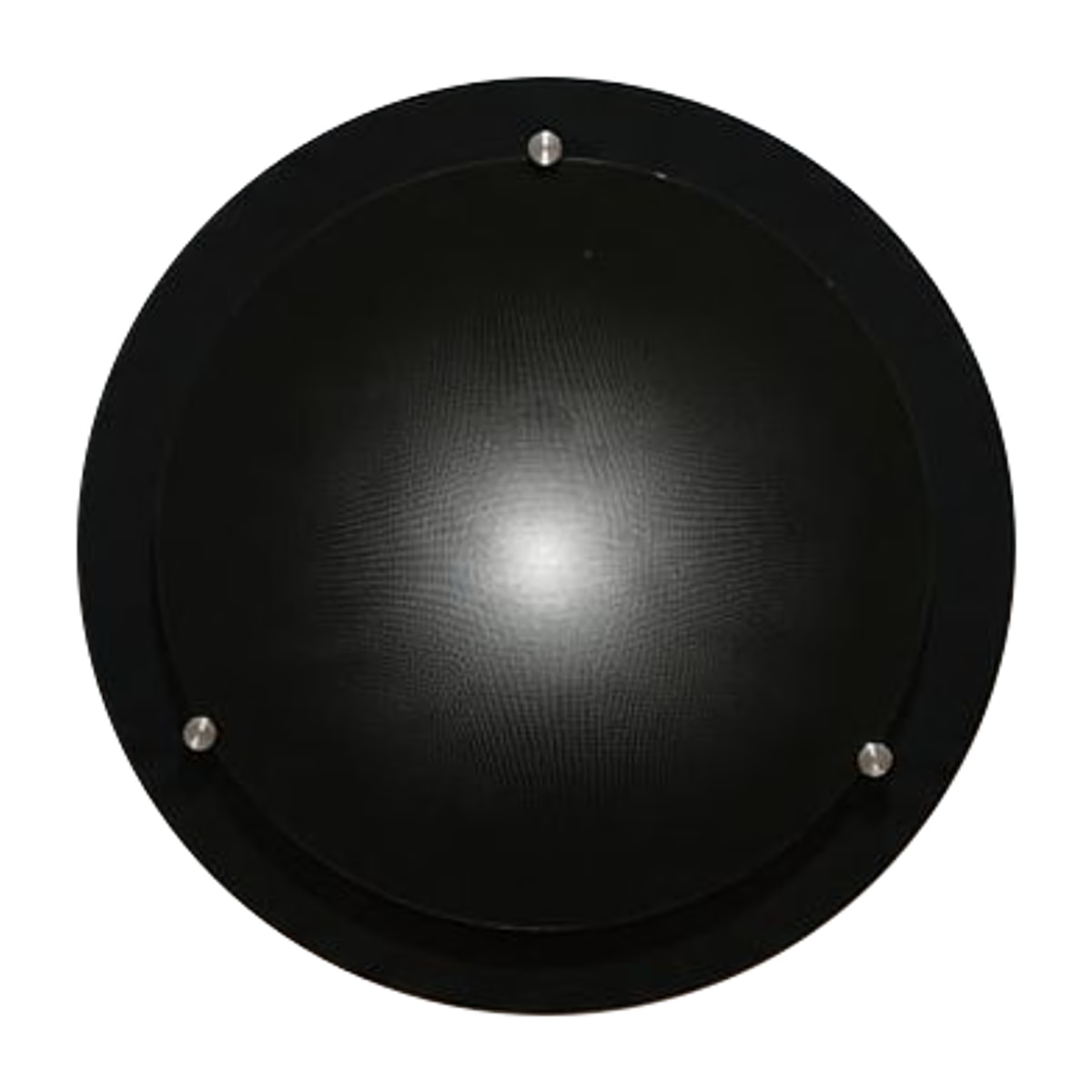
La imagen tampoco vive en un solo plano. Impresiones sobre vidrio de museo, papel de algodón y aluminio se separan físicamente en capas. Las tramas superpuestas producen una tercera que ninguna contenía; la distancia física entre ellas genera paralaje: profundidad real, no representada. Por eso la obra pide cuerpo y tiempo: la luminosidad se reorganiza con el ángulo, la distancia y el movimiento. Algunas piezas incorporan además movimiento mecánico activado por la proximidad del espectador: tiempo real dentro de la imagen. Es el momento en que una estructura calculada deja de comportarse como estructura y empieza a comportarse como luz.
Heavenly Bodies (2021) introduce el círculo y el trabajo óptico; Astros (2023), la superposición en transparencia y la investigación sobre el concepto de patrón; Dispositivo Dinámico I (2024), el movimiento mecánico y la interacción activa del espectador. Todo decanta en Cosmos (2025).
Apparent Light
Statement · Ongoing research since 2021
Everything begins with a distinction: luminance is a measurable photometric quantity; brightness is a perceptual attribute. The eye does not measure light, it infers it from contrast, from the relation between one area and what lies beside it. I call apparent light what happens inside that inference: a brightness that is neither emitted nor projected. It simply appears.
Each work is a system built with the mathematical tools of architecture: thousands of simple geometric forms interacting with one another. An elementary rule repeats tens of thousands of times until the result exceeds the system that generated it. The circle has been the constant through all these years, a form that can hold thousands of minute variations without losing its unity. At a distance the whole reads as stable; up close, the pattern breaks into a vibration that never settles, shifting from figures to field. This is optical mixture, a glow printed nowhere that the eye assembles as it takes in the whole. Parametric calculation and contemporary printing extend the precision, the scale and the range of variation beyond what historical kinetic art could reach; the perceptual problem, however, is unchanged.
Nor does the image live on a single plane. Prints on museum glass, cotton paper and aluminum are physically separated into layers. The superimposed meshes produce a third that neither one contained, and the physical distance between them generates parallax: real depth, not depicted. The work therefore asks for body and time, because brightness reorganizes with angle, distance and movement. Some pieces also incorporate mechanical movement triggered by the viewer’s proximity, so real time enters the image. It is the moment when a calculated structure stops behaving like structure and begins to behave like light.
Heavenly Bodies (2021) introduces the circle and the optical inquiry; Astros (2023), superposition in transparency and the investigation into pattern; Dispositivo Dinámico I (2024), mechanical movement and the viewer’s active role. It all distills into Cosmos (2025).
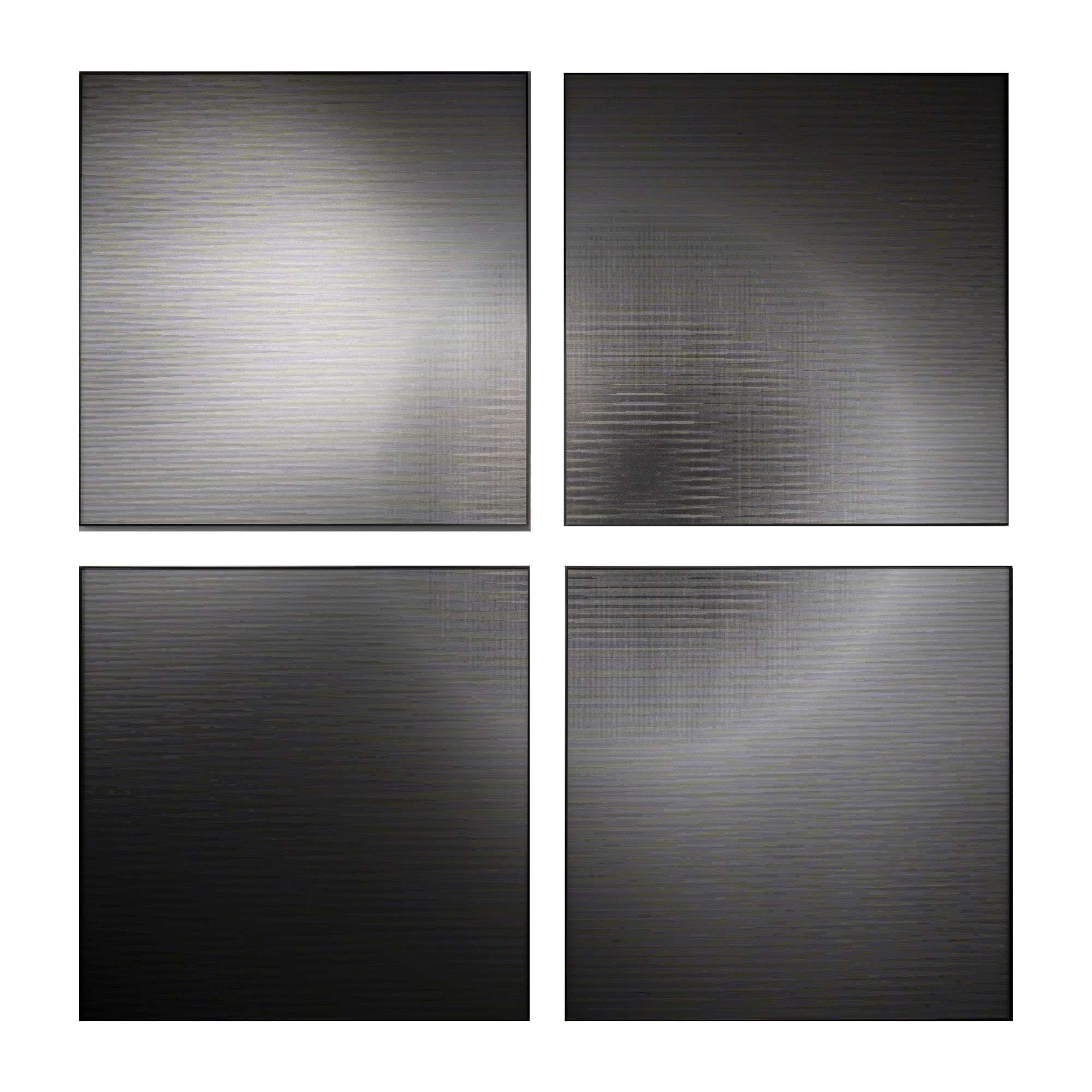
2025
Colección privada
2025
Colección privada
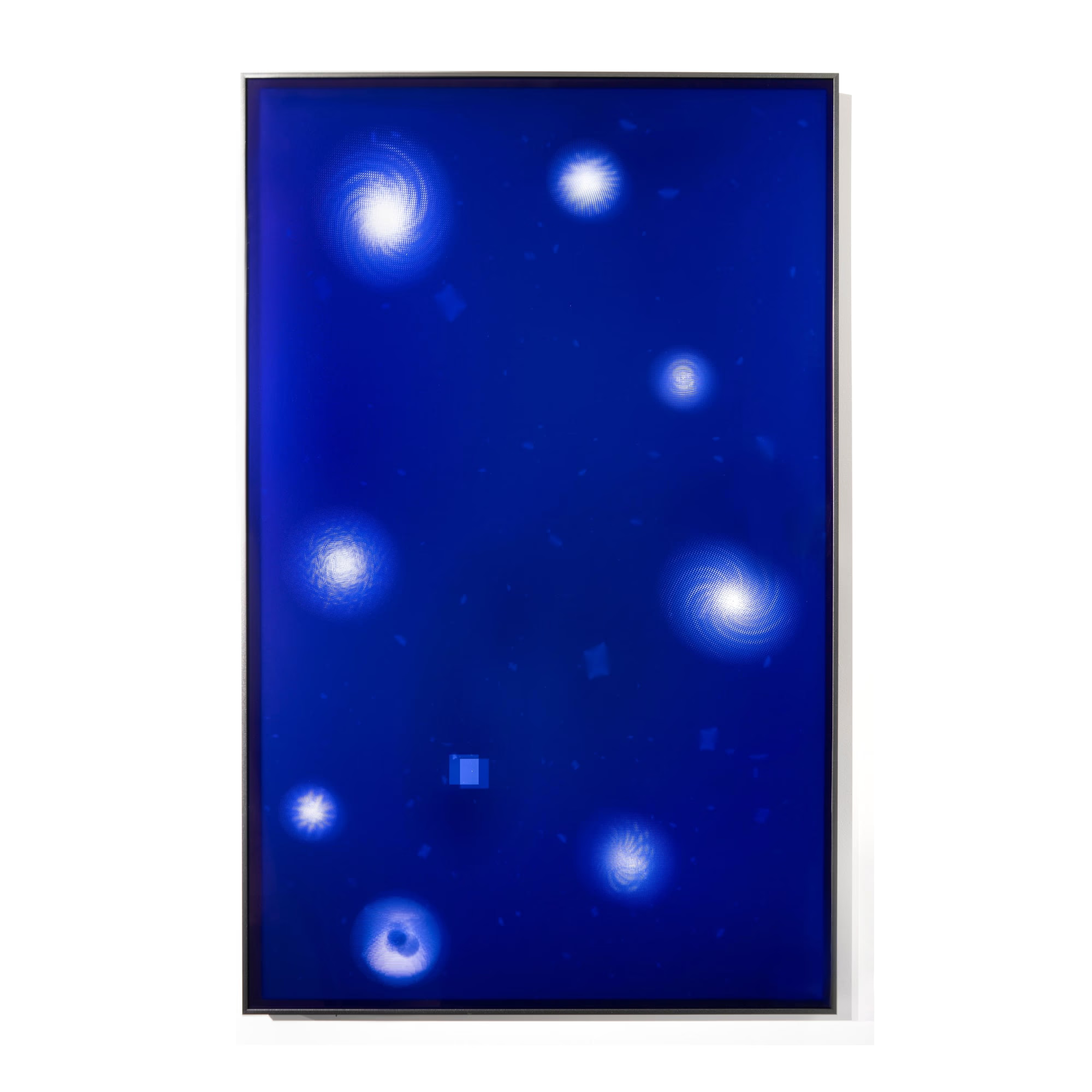
2025
Colección privada
2025
Colección privada
2025
Colección privada
2025
Colección privada
2025
Colección privada
2025
Colección privada
2025
Colección privada
2024
Colección privada
2024
Colección Ca.Sa., Santiago · Colección privada
2024
Obra pública permanente · Fundación Arturo López Pérez, Santiago
2023
Colección privada
2023
Colección privada
2023
Colección privada
2022
Colección privada
2021
Colección privada
2019
Colección Maya Castro de Westcott · Colección privada
Colección privada